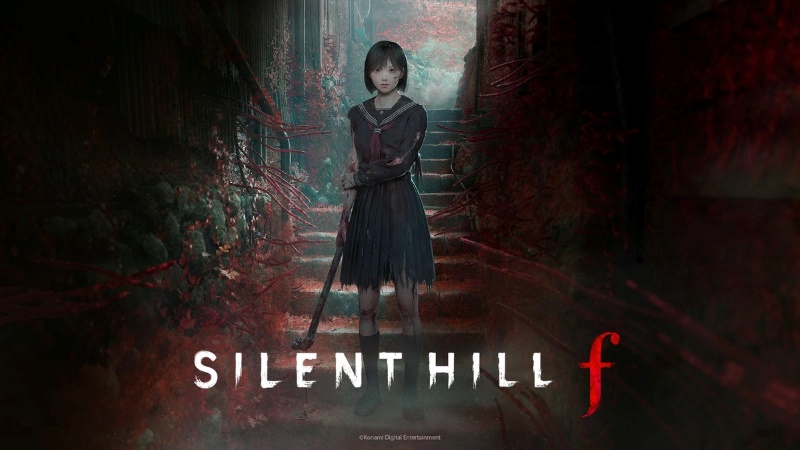
Silent Hill is back once again, with NeoBards Entertainment and Konami delivering another entry in the iconic horror series. After the fantastic Silent Hill 2 Remake last year, Silent Hill f takes the franchise in a bold new direction. Set in 1960s rural Japan, it blends familiar fog-drenched terror with Japanese folklore, offering a unique spin on the trademark psychological horror of Silent Hill. It stands on its own—not just another chapter, but a fresh take proving the series still has plenty to explore.
Silent Hill f Review (PS5) – Fear, Flowers And Fog
Silent Hill f is the best Silent Hill game since the third entry, and it carves out its own identity with confidence. Drawing inspiration from Dark Souls, it re-imagines combat with a stamina-based system and enemy attack patterns that demand learning and patience. It isn’t trying to be a Soulslike, but the influence is clear, and it gives fights a weight and tension that fits the series perfectly. This isn’t a reinvention of the wheel, but it’s a fresh, atmospheric take that shows Silent Hill can still surprise.
You play as Hinako Shimizu, a high school student in 1960s rural Japan. After a confrontation with her father, she runs away, only to find her town, Ebisugaoka, swallowed by a thick, supernatural fog. As the town falls silent and its people vanish, Hinako must navigate this unsettling new reality. The setting blends Japanese folklore with Silent Hill’s familiar unease, resulting in a world that feels both fresh and faithful.
Fog And Footsteps
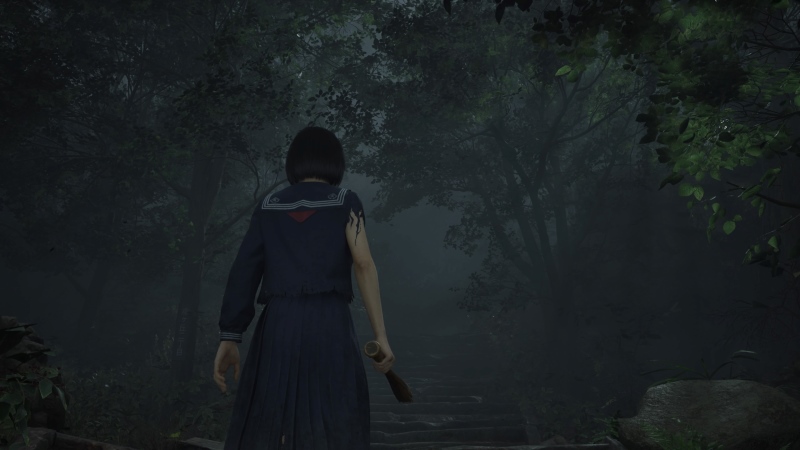
Combat is a standout, while not as punishing as a Souls title. Difficulty options ensure you aren’t alienated. It borrows just enough to keep tension high. The stamina bar is central—you’re human, vulnerable, and every fight feels desperate. The lock-on, dodging, and methodical attacks show its inspiration. Carefully making sure you don’t deplete your stamina fully or risk having to catch your breath mid-fight.
Failing that, running is sometimes the best option, as attacking everything may risk a handy weapon breaking. The weapons are improvised and degrade over time, adding a sense of fragility to every encounter. Focus mode allows for precise dodges and counters, and pulling off a clean strike when exhausted is genuinely thrilling.
Further Reading – Upcoming PS5 Games 2025 – The Best PS5 Games Coming Soon
Combat develops naturally as new enemies appear, each with their own patterns and quirks. Adapting becomes essential, and while hits can feel inconsistent at times, the constant variety ensures battles never grow stale. It makes even minor foes feel dangerous, reminding you that you’re surviving on the edge.
There are moments where P.T.-style repetition creeps in, like entering rooms you swore you were just in, designed to unnerve and disorient. Combined with the combat, it keeps you second-guessing each step, as though the world itself is conspiring against you. Those touches add unease without distracting from the flow, making exploration as tense as the fights themselves.
Paths Less Taken
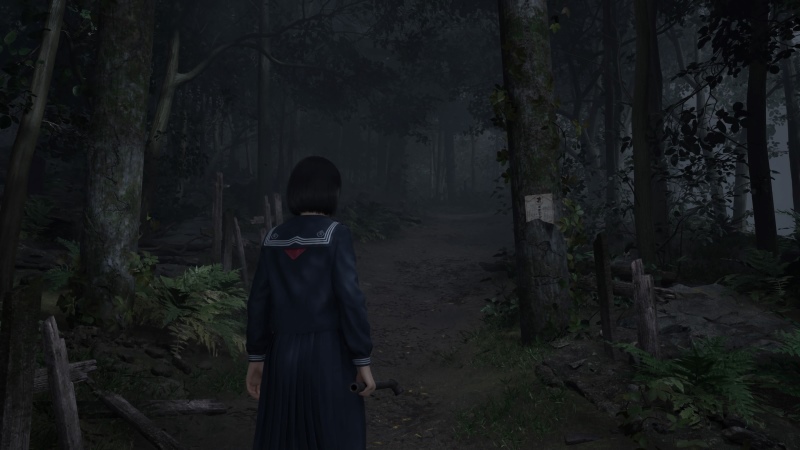
Exploration is deeply rewarding. The world is interconnected, with shortcuts and hidden paths that make traversal more than a straight line. Backtracking pays off, revealing consumables, lore, and eerie little moments that bring the setting to life. Even dead ends usually offer something—a strange noise, a jarring visual, or a fragment of dialogue—that builds atmosphere rather than wasting your time.
Puzzles are a real highlight, offering plenty of variety and some clever twists. Many are tied directly to the environment, forcing you to pay attention in ways most modern horror games don’t. The “Lost in the Fog” difficulty setting, meanwhile, provides some real brain-melters. A few can even stop progress cold if you’re not careful, which makes the challenge all the more rewarding when you finally crack them. It’s the kind of puzzle density fans of the series have been missing.
Beauty in the Breakdown
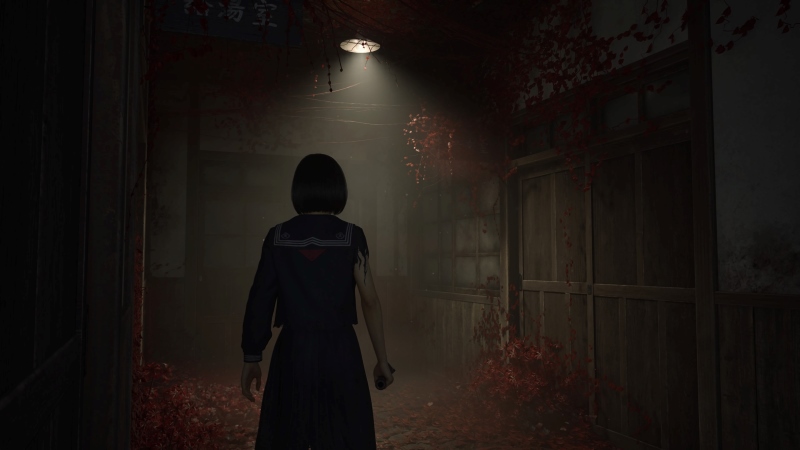
Visually, Silent Hill f is stunning. The fog rolls across the landscape in a way that feels alive, and the mix of farmland, shrines, and decaying townscapes gives the game a unique identity. The Japanese setting allows for touches of realism—a pipe left on a construction site, tea tucked inside a lunchbox—that ground the horror in ordinary details. The art direction balances the beautiful and the grotesque, keeping you unsettled without leaning on cheap tricks.
The story is carefully layered, delivered through scattered documents, shifting character dynamics, and Hinako’s own journal. Every scrap of writing matters, whether it deepens your understanding of the world or reflects changes in Hinako’s perception. Relationships evolve subtly, and the journal captures those shifts with sketches and notes that mirror her emotional state. It’s storytelling that rewards attention, pulling you deeper into the mystery without overwhelming you with exposition.
The pacing deserves credit too. Quiet exploration, puzzle-solving, and bursts of combat flow into one another seamlessly. The game knows when to let you breathe and when to corner you, which keeps the tension sharp from start to finish. Emotional moments land without being overstated, giving the horror weight and making the characters feel human.
I don’t want to delve into the story any further here. Silent Hill f is about discovery, development, and the slow burn of revelation. It does this brilliantly, and the less you know going in, the more impact each moment has. Every addition feels deliberate, every reveal meaningful. It’s a story best experienced directly.
Motionless Monsters
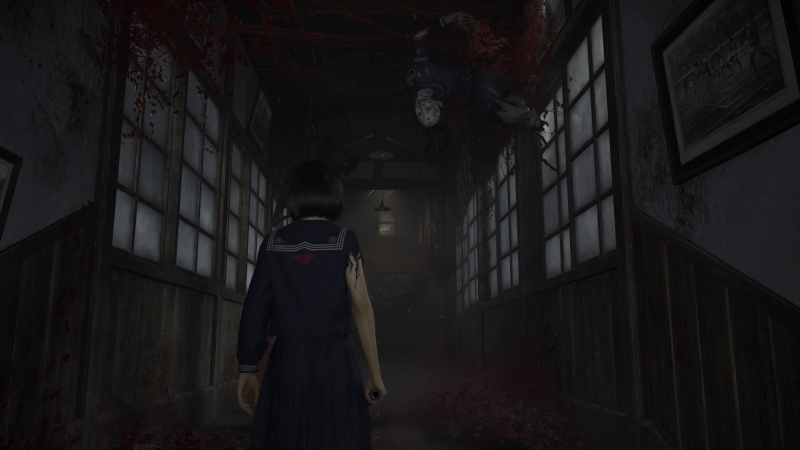
Boss encounters are a series highlight. Each one feels distinct, with grotesque designs and mechanics that force you to rethink your approach. They’re tense, memorable, and always tied to the larger narrative in ways that make them more than just obstacles. The body horror on display is some of the most creative the series has seen, and they’re as fascinating to look at as they are terrifying to fight.
The sanity meter functions mainly as a combat mechanic rather than a psychological system. It ties into stamina and focus, shaping how you handle encounters, but it doesn’t change the world around you in the way some might expect. Even so, it adds another layer of management that heightens the desperation in longer battles.
Silent Hill f doesn’t end with one playthrough. Multiple endings are available, and New Game Plus gives you reasons to dive back in. Replay runs unlock fresh challenges, new routes, and additional context that deepen the story. The first time through leans toward a canonical path, but subsequent playthroughs give you more freedom to explore the game’s systems and uncover hidden layers. It’s the kind of structure that makes you want to return even after the credits roll.
The Fog Lingers
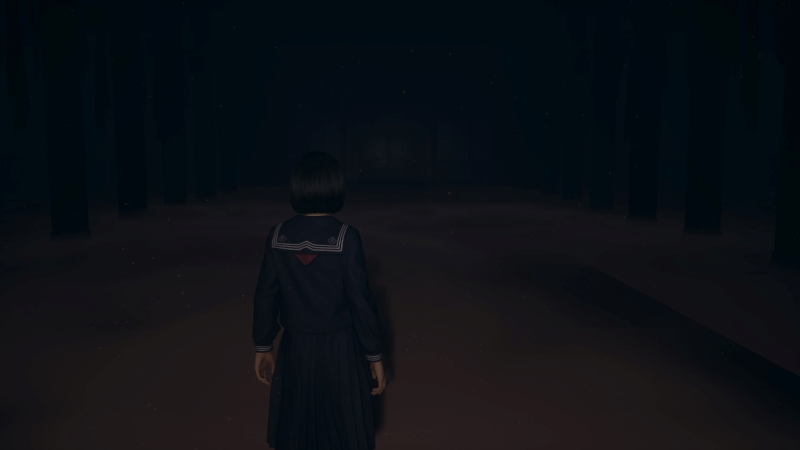
Silent Hill f is the best original entry since Silent Hill 3. It stands on its own as a unique interpretation of Silent Hill, while still capturing the fog, fear, and unease that made the series famous. It’s not perfect—occasional rough edges hold it back from absolute greatness.
I found myself getting caught on a lot of terrain, and tight areas made the camera act misbehave. This sometimes meant i failed a fight as I couldn’t see, or I would hit the wall with a weapon which briefly stuns you. Nevertheless, it’s a gripping, atmospheric horror game that demands attention.
The latest Silent Hill entry plunges players into a chilling and immersive experience. Secrets, exploration, and tension await in a world that feels both familiar and terrifyingly new.
Silent Hill f releases worldwide on the 25th of September.
Review Code kindly provided by publisher.